
Latest News
Latest News · 05.06.2026
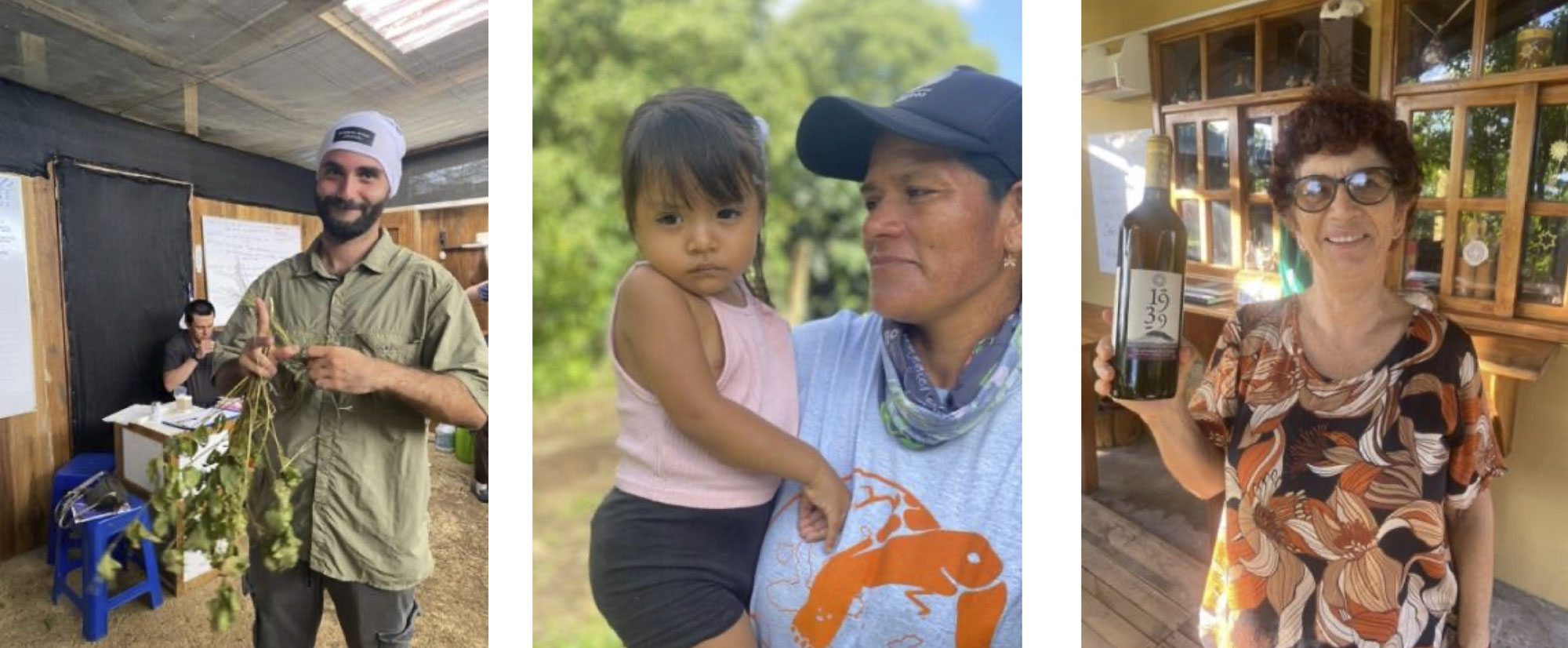
The transformation of Floreana Island serves as an example of systemic change and offers hope for restoration projects in the Galápagos Archipelago and on other inhabited islands around the world. However, it is essential to involve the local population in these processes and actively engage them. The Science Center will serve as a central hub for citizen science and environmental education. By being involved, the local population can better understand these processes and actively help.
Latest News · 07.05.2026
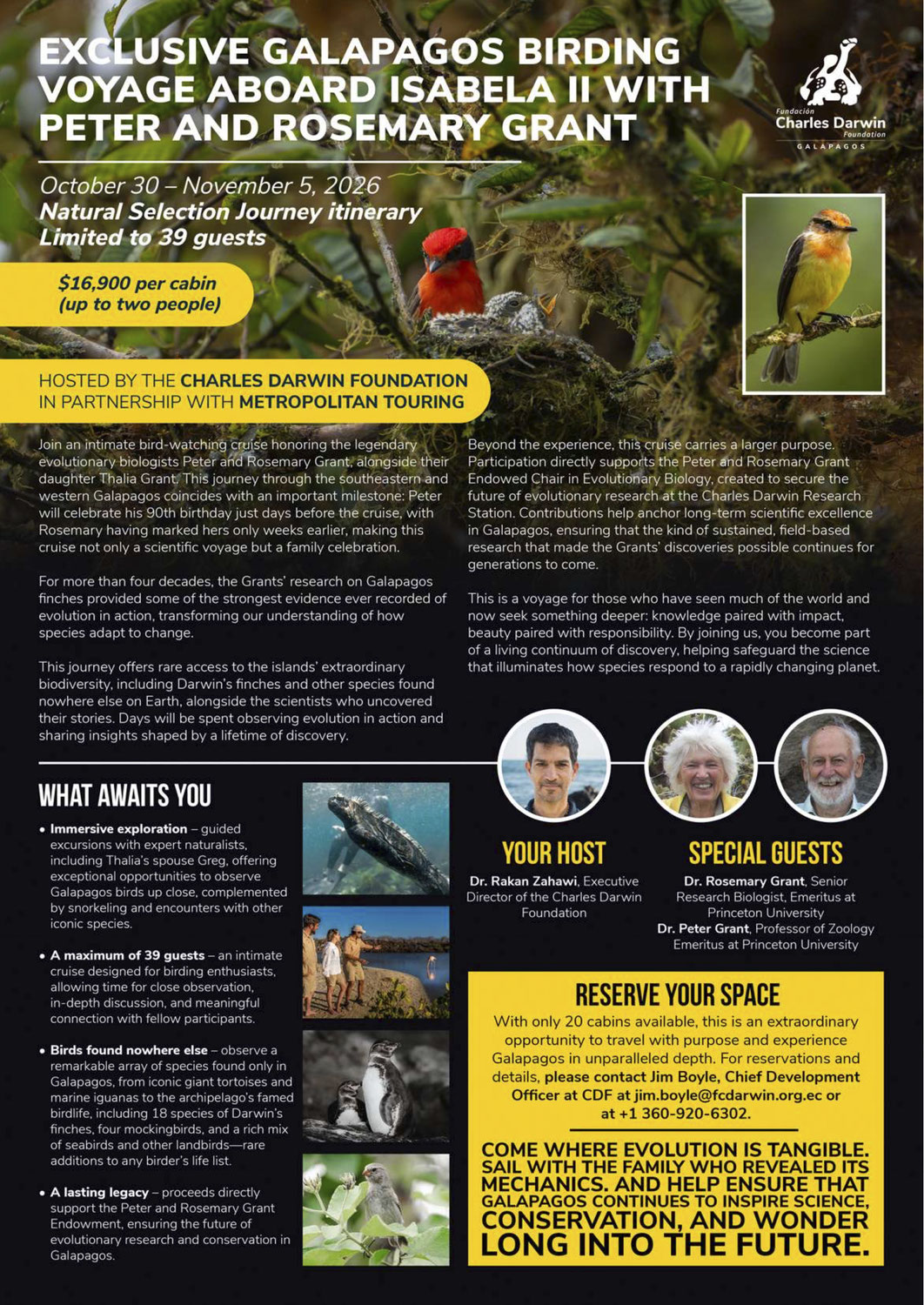
This exclusive offer from the Charles Darwin Foundation is open to anyone interested in a unique one-week cruise to the southeastern and western Galápagos Islands.
Latest News · 03.04.2026
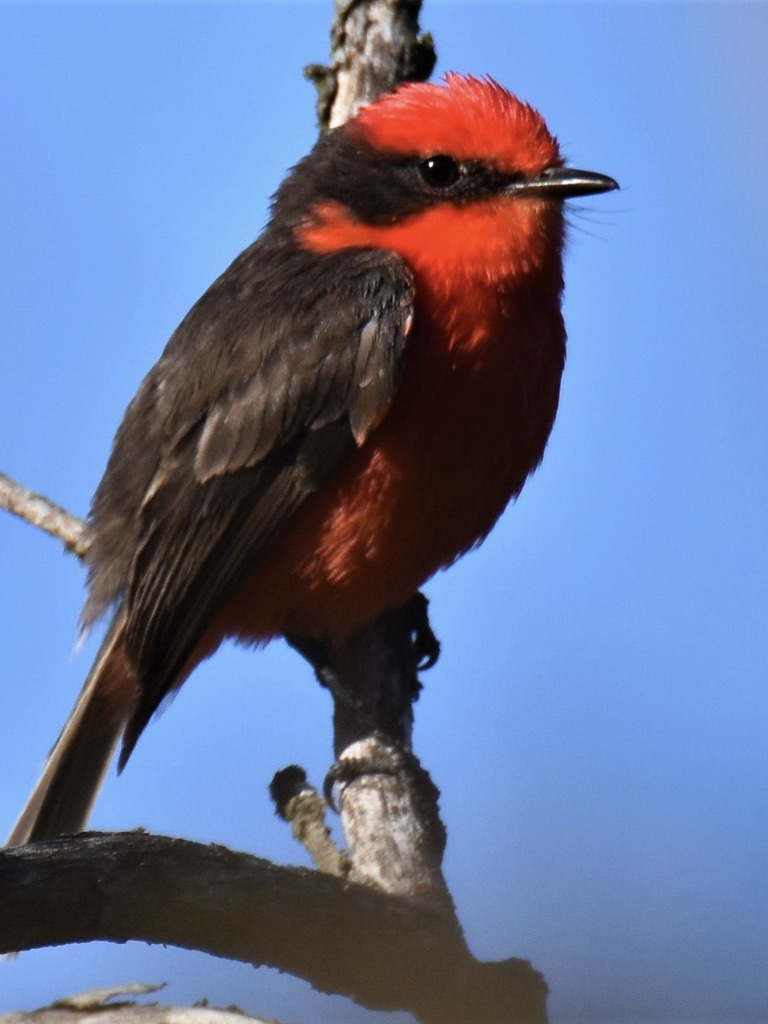
A recent genetic study led by the Charles Darwin Foundation, in collaboration with international research partners, analyzed the genomes of birds from several different islands. The result: on at least eight islands, distinct lineages have evolved over very long periods of time — in some cases for more than one million years.
Latest News · 11.03.2026
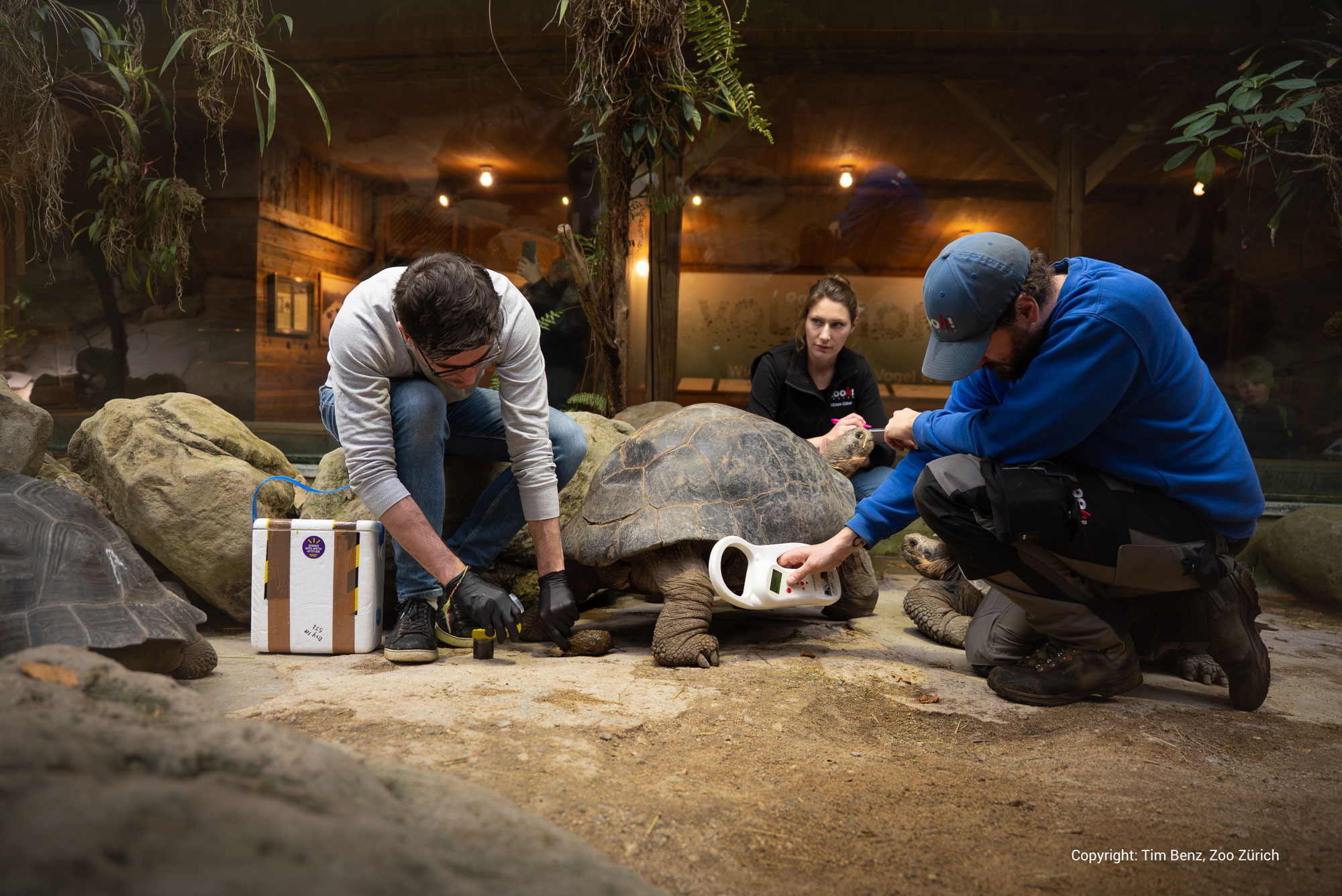
A Genetic study in Oulu supports Zürich Zoo and the European conservation breeding programme of Galápagos giant tortoises
Latest News · 01.03.2026
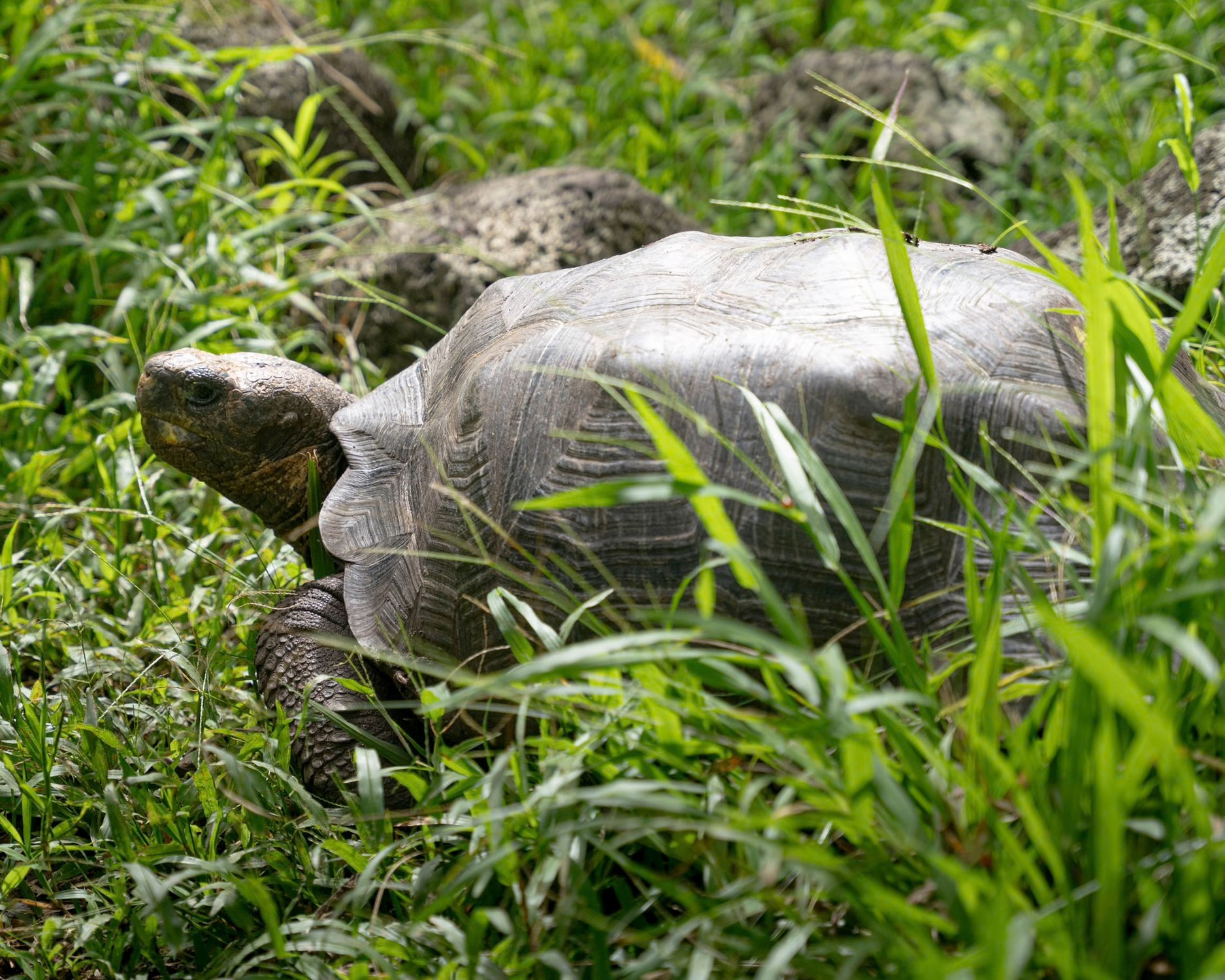
A major milestone in conservation has been reached in the Galápagos Islands: for the first time in over 150 years, 158 captive-bred giant tortoises have been released on Floreana Island. This landmark moment marks a crucial step in restoring the island’s ecosystem and offers hope for similar projects worldwide.
Latest News · 23.02.2026
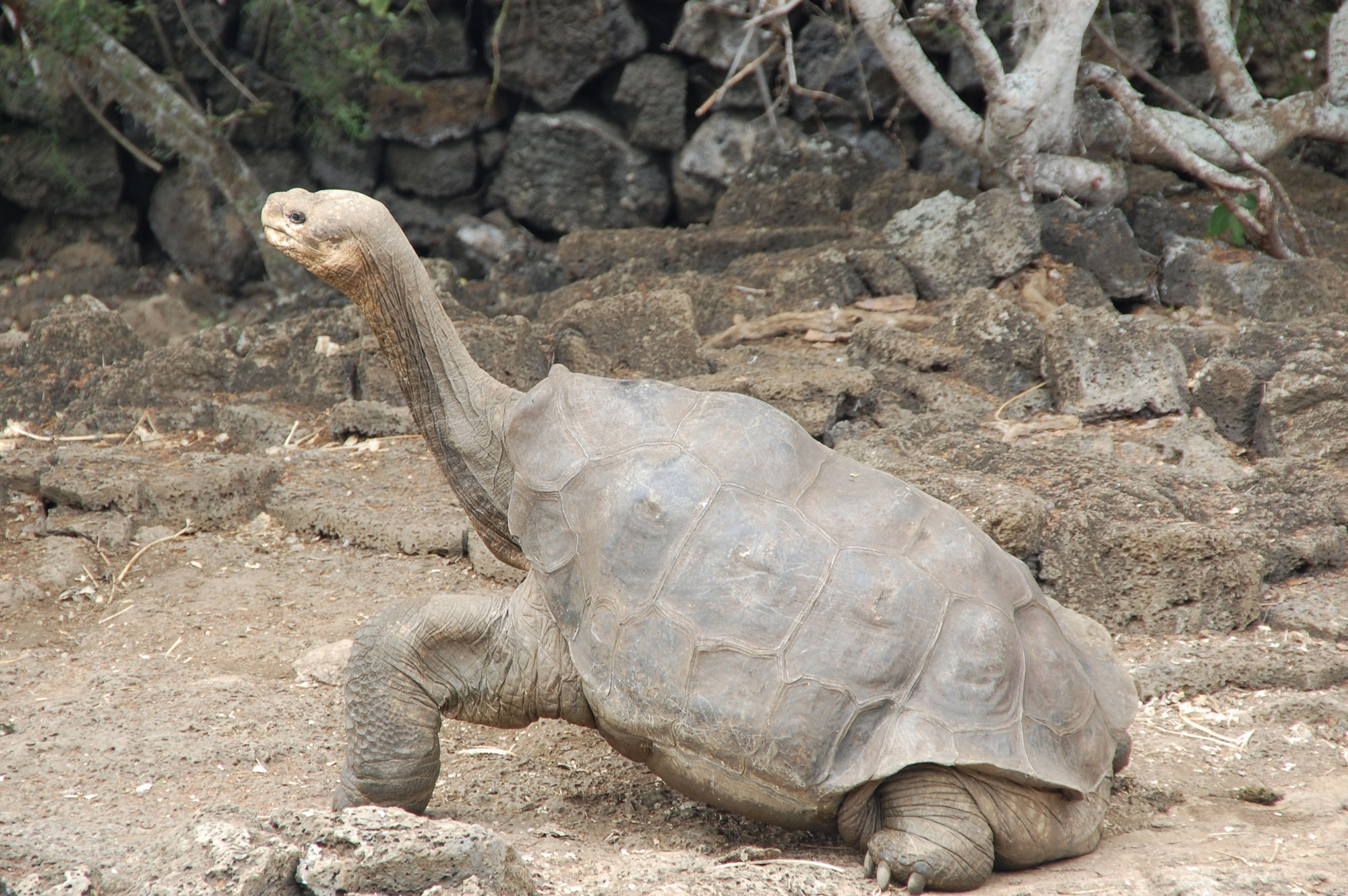
In 1969, after weeks of relentless rain on Santa Fe Island, erosion carved deep channels into the soil and exposed a remarkable find. While out observing hawks, Tjitte de Vries — the first resident scientist of the Charles Darwin Research Station — noticed a small, perfectly preserved tortoise skull among the washed-out gravel. He carefully brought it back to the station, where he and then-director Roger Perry realized it might belong to the long-extinct giant tortoise of Santa Fe.
Latest News · 28.01.2026
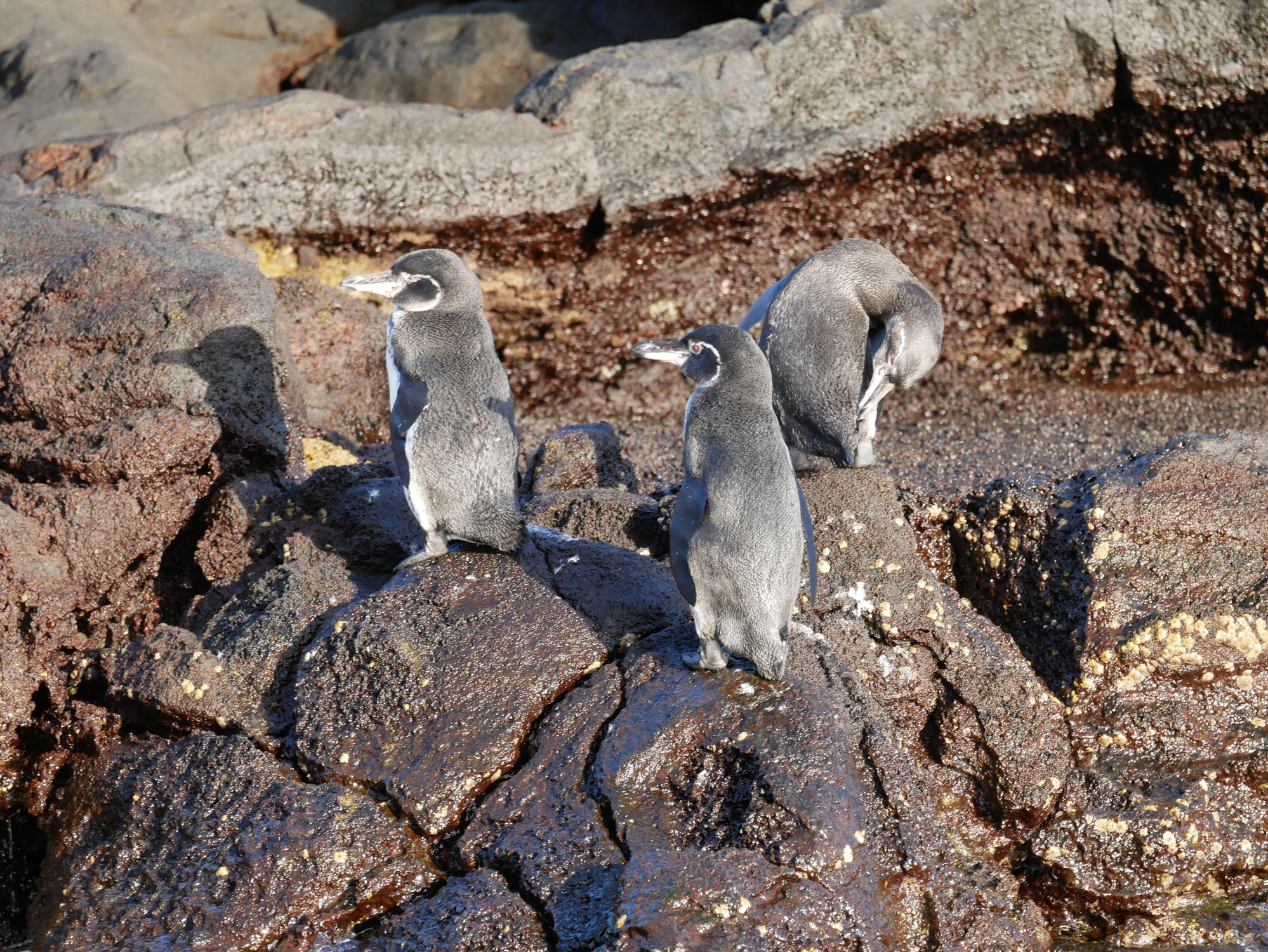
They are undoubtedly the most exotic representatives of their species. Only half a meter tall and weighing just 2 kilograms, Galápagos penguins are the only ones that live north of the equator. They serve as important ambassadors within the local ecosystem, which is why monitoring them is of central importance. However, this is not so easy.
Latest News · 10.12.2025
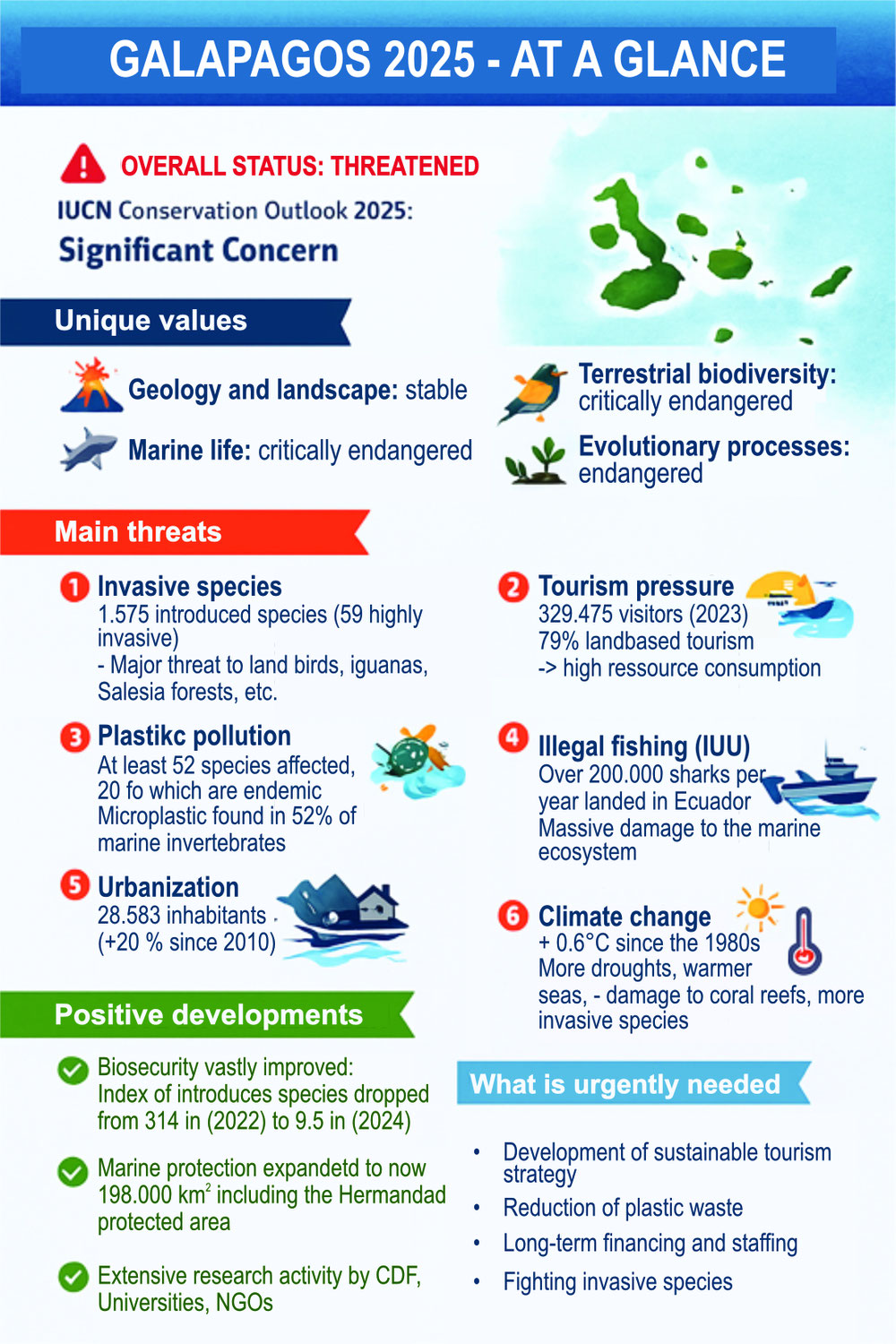
The Galápagos Islands have long captivated scientists, conservationists, and travelers for their exceptional wildlife, striking natural landscapes, and rich evolutionary history. Recognized as one of the earliest UNESCO World Heritage Sites and one of the world’s most iconic Biosphere Reserves, the archipelago continues to draw visitors eager to experience the ecological wonders first observed by Charles Darwin over 150 years ago.

Latest News · 04.11.2025
It is 6 a.m. and the garua fog hangs over the port of Puerto Ayora, where I am waiting for researcher David Anchundia from the Charles Darwin Station's (CDF) land bird team. With a broad smile, he gets out of the car and introduces me to the others. Miriam San José is part of Heinke Jäger's team and is involved in removing invasive species to renature the Scalesia forests.

Latest News · 17.10.2025
Unlike humans and many other living creatures, their health does not deteriorate with age. This is why diseases such as cancer occur in old age. However, tortoises seem to follow different laws of nature, which is of great interest to human medicine.