
Unlike humans and many other living creatures, their health does not deteriorate with age. This is why diseases such as cancer occur in old age. However, tortoises seem to follow different laws of nature, which is of great interest to human medicine.
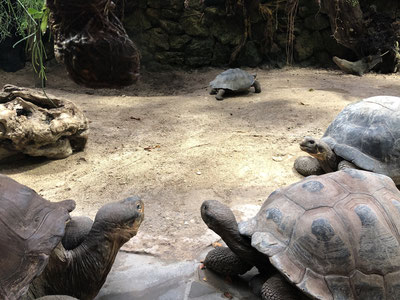
Cell division carries a risk of disease
Throughout life, the cells in human and animal bodies renew themselves repeatedly. Each cell division carries a risk of malignant mutations, such as those that occur at the origin of cancer.
This leads to a logical conclusion in cancer research: The longer and larger an organism is (i.e., the more cells it has), the higher its risk of developing cancer. Consequently, animals with a high life expectancy should develop cancer more frequently.
Slow, old — and particularly healthy
However, a recent study by Zurich Zoo revealed surprising results. Examining 290 turtles of different species from different zoos revealed something astonishing:
Only one tumor was discovered, and it was benign. The rest of the bodies, some of which were very old, were not affected. This unusual finding is explained by the animals' slow metabolism and special protective mechanisms at the genetic level. This means that cell division occurs less frequently, reducing the risk of cancer.
These findings are also exciting for human medicine. Turtles appear to have a natural immunity to cancer and could provide insights into how to best deal with the disease. This could lead to new therapies in the future.

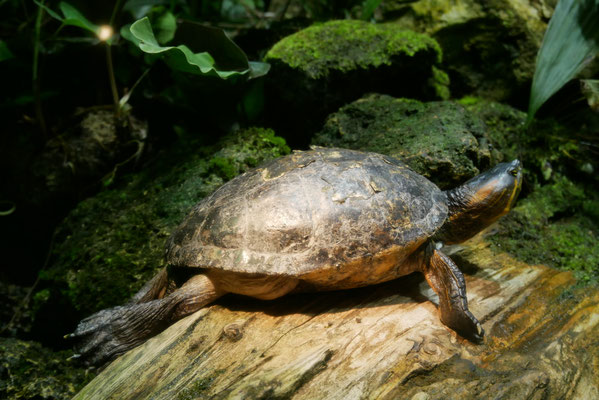

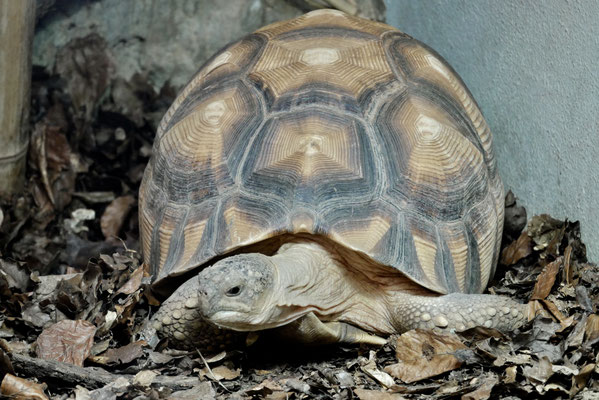
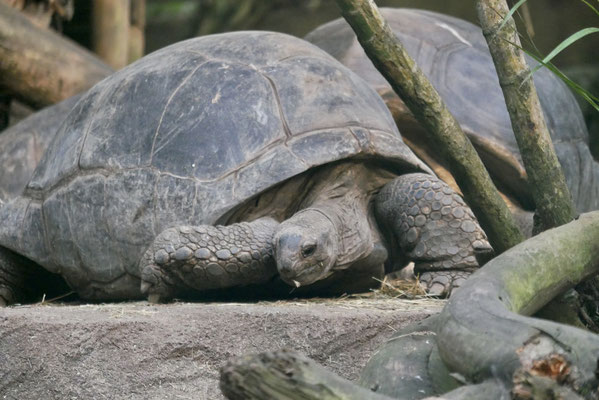
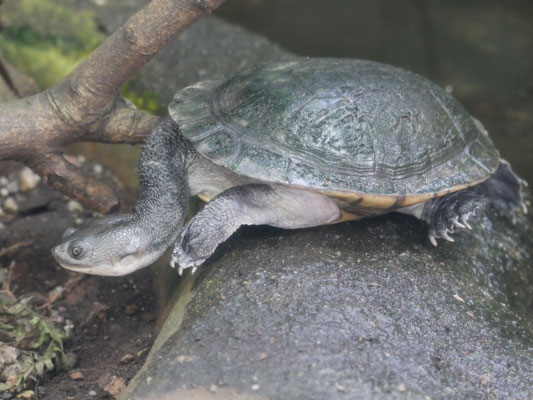
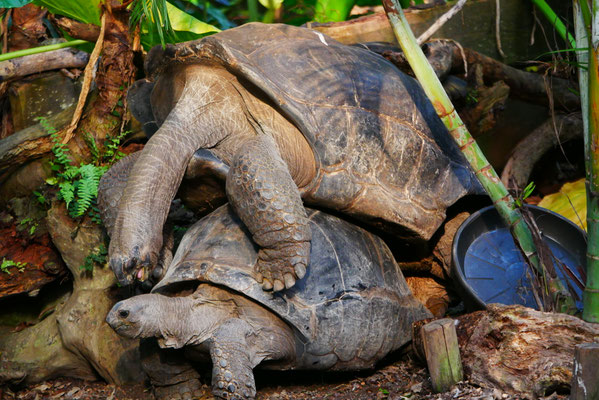
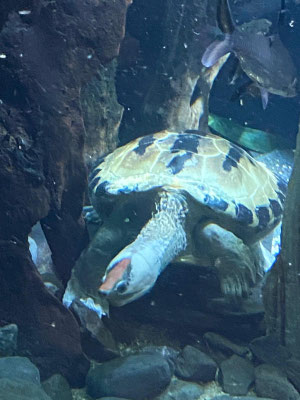

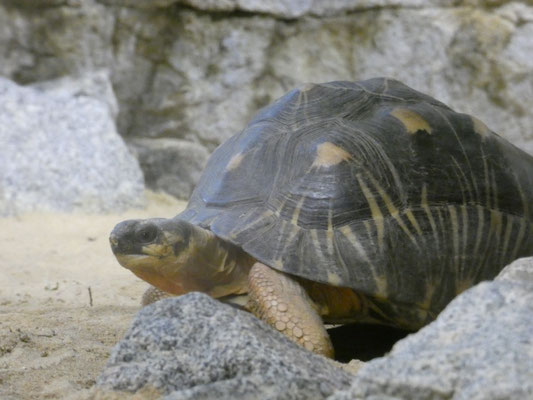
Many of these different turtle species from other zoos contributed to this study.
Your Help is Needed
Until then, we must ensure that these animals are protected and preserved in the Galapagos Archipelago and beyond, not only from a medical point of view, but also for the benefit of the world.
Anyone can contribute to this cause by making a donation. Zurich Zoo is currently raising funds for the targeted breeding of giant tortoises in European zoos to ensure breeding opportunities for the species. Help protect these wonderful animals now!