
At the University of Oulu, important genetic research is currently being conducted that directly contributes to the conservation of the Galápagos giant tortoise. At the heart of the project lies one key question: From which island do individual tortoises living in Europe originally come? This information is crucial for successful breeding and reintroduction programmes.
Gaps in knowledge about origin
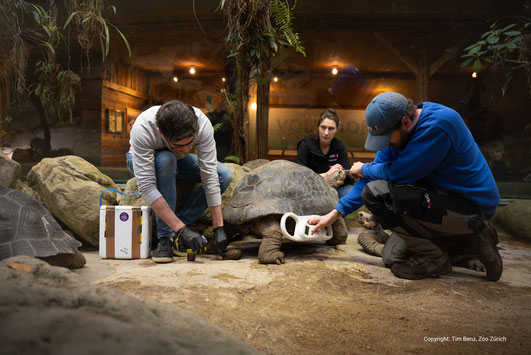
Many giant tortoises living in European zoos today have an unclear origin. Historical translocations by sailors and uncontrolled imports to Europe have blurred their ancestry. For conservation management, this poses a serious challenge: Only if animals are correctly assigned to their evolutionary lineages can their offspring be considered for potential reintroduction.
Together with Zoo Zürich, the Biodiversity Genomics Team in Ouluis now genetically analysing individuals from the European Endangered Species Programme (EEP). https://biodiversitygenomics.org/2026/03/05/the-origin-of-jumbo-and-co-genetic-study-in-oulu-supports-zurich-zoo-and-the-european-conservation-breeding-programme-of-galapagos-giant-tortoises/
Zoo Zürich is considered the most successful breeder of Galápagos giant tortoises in Europe. The aim is to determine the exact island of origin of individual animals through DNA analyses — including the 215-kilogram male “Jumbo”.
Innovative Research
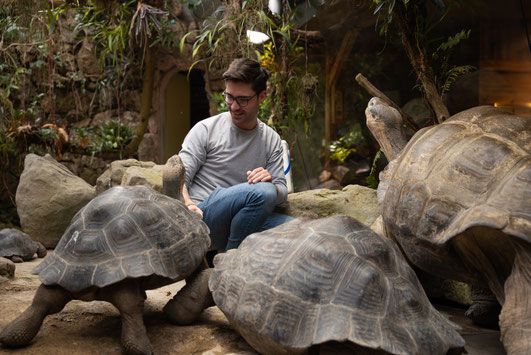
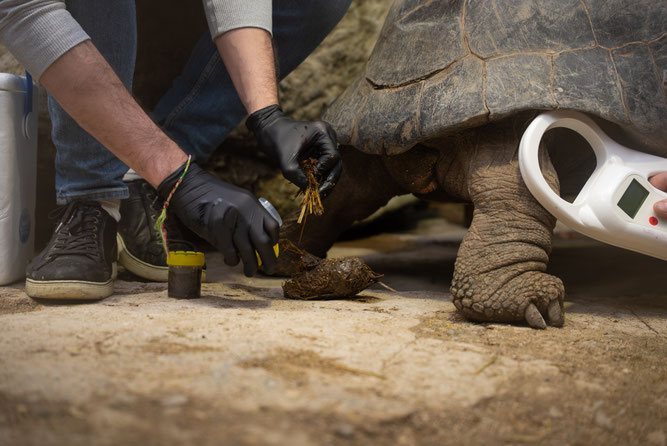
In addition to blood samples, faecal samples are also being analysed. The goal is to assess whether genetic identification can be carried out non-invasively in the future. If successful, this approach could enable gentle genetic monitoring of wild populations in the Galápagos Islands — a major step forward for practical conservation.
In the coming months, additional samples from European zoos will be analysed in Finland. The results will help strategically plan the future of the European ex-situ population and secure the long-term protection of this highly endangered species.
A joint commitment to conservation
The project of the Zoo Zurich https://www.zoo.ch is supported by Swiss Association of Friends of the Galápagos Islands, the Ventura Wildlife Foundation https://www.cassioburyfarm.co.uk/ventura-wildlife-foundation/ &Ventura Wildlife Services — an important contribution to connecting research, zoos and in-situ conservation efforts.