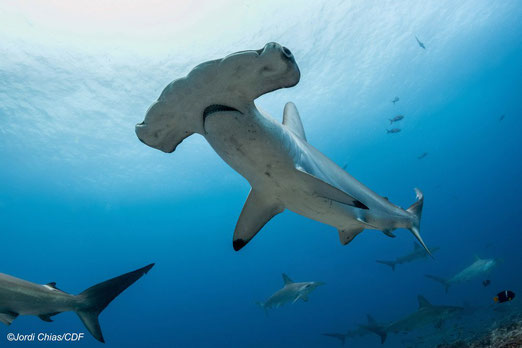
A team of scientists and environmentalists recently made a sensational discovery: in the western part of the Galápagos, they found what could be a nursery area for the smooth hammerhead shark (Sphyrna zygaena), an endangered species of shark that has not been seen in the Galápagos Marine Sanctuary for 20 years. This discovery is not only an important scientific milestone, but also an urgent call to action.
The smooth hammerhead shark is listed as “endangered” on the International Union for Conservation of Nature (IUCN) Red List and is threatened by illegal fishing and demand for shark fins. Information about its lifestyle and breeding areas is scarce worldwide. The discovery of juveniles in the Galápagos Marine Reserve raises urgent questions: Are these sharks genetically unique to the Galápagos? Can we protect this habitat as a nursery? And how can we reduce the threats to their existence?
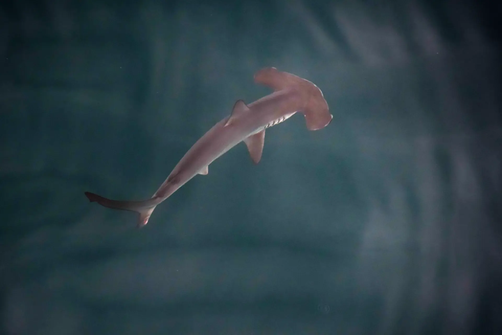
ARE THERE ANY Nurseries of SMOOTH HAMMERHEAD SHARKS IN THE GALÁPAGOS?
To answer these questions, an ambitious research project will be launched in January 2025 under the leadership of Maria Antonia Izurieta, with support from shark experts such as Alex Hearn and Chris Rohner. Maria has local and international experience in marine biology, genetics, and conservation. She is a great example of the importance of encouraging the next generation of scientists in Ecuador.
The research team will use drones to search for shark nurseries in Tagus Cove and other coastal areas of the western Galápagos. In addition, young sharks will be fitted with satellite tags so that their movements and behavior can be tracked, and genetic analyses should provide information about the uniqueness of the shark population.
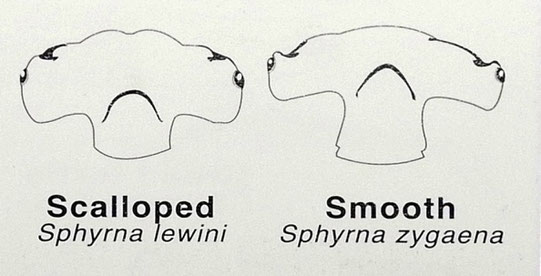
WHY ARE WE LOOKING FOR Nurseries?
The smooth hammerhead shark, found in tropical and temperate waters, is a key species in the marine ecosystem. The Galápagos Islands and the marine reserve surrounding them are an important refuge for these animals. This project will not only provide scientific knowledge, but also aims to promote political and social measures to ensure the sustainable protection of hammerhead sharks.
Help us build a future where hammerhead sharks can live in the ocean around the Galápagos Islands undisturbed, as an integral part of a healthy marine ecosystem.