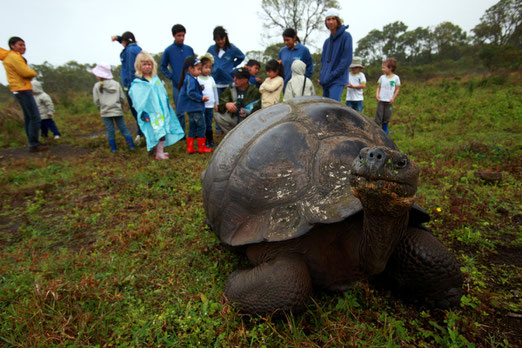
Giant tortoises, also known as Galápagos tortoises, are not only the largest land tortoises, they also represent the Galápagos like no other animal. Thanks to their massive size, they break up the vegetation, aerate the soil, and ensure the dispersal of plants with their manure.
These animals originally dominated the islands, but sailors' demand for meat decimated their population to the point of extinction. Thanks to breeding stations, the remaining populations have been strengthened, so that today there are once again around 25,000 giant tortoises in the Galápagos. In addition, efforts have been underway for years to reintroduce extinct subspecies with animals that possess a large proportion of the genes of their extinct relatives. Currently, all Galápagos tortoises are still classified by the International Union for Conservation of Nature (IUCN) as endangered or critically endangered.
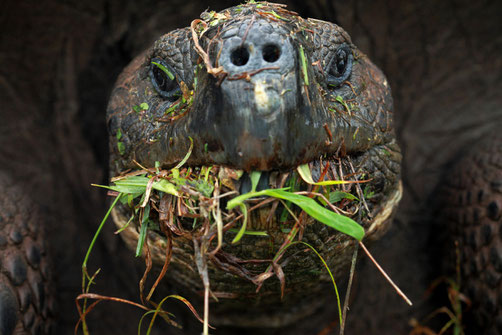
There are many threats
Even today, the greatest threat to giant tortoises comes from us humans. Invasive species that we have introduced, such as cats, rats, and pigs, eat eggs and young tortoises, and roads and fields are located on the tortoises' traditional migration routes. This regularly causes fatal accidents. Health studies conducted on turtles living near human settlements and farms have revealed viruses and antimicrobial resistances previously unknown in turtles. Remains of discarded coronavirus face masks have even been found in the animals' excrement. Climate change also poses a threat to giant tortoise populations, as high ambient temperatures favor the development of females from eggs. The absence of male tortoises means that far too few young tortoises hatch.
That is why we support the Galapagos Tortoise Movement Ecology Programme (GTMEP) founded by Steven Blake. The GTMEP team equips the tortoises with satellite transmitters to track their movements. They determine the animals' state of health by collecting faecal samples and performing blood tests. Today, X-rays are even taken in the wild to determine whether migratory turtles have a higher reproductive success rate than sedentary turtles. All this information helps to preserve the natural environment and the animals' usual habitat.
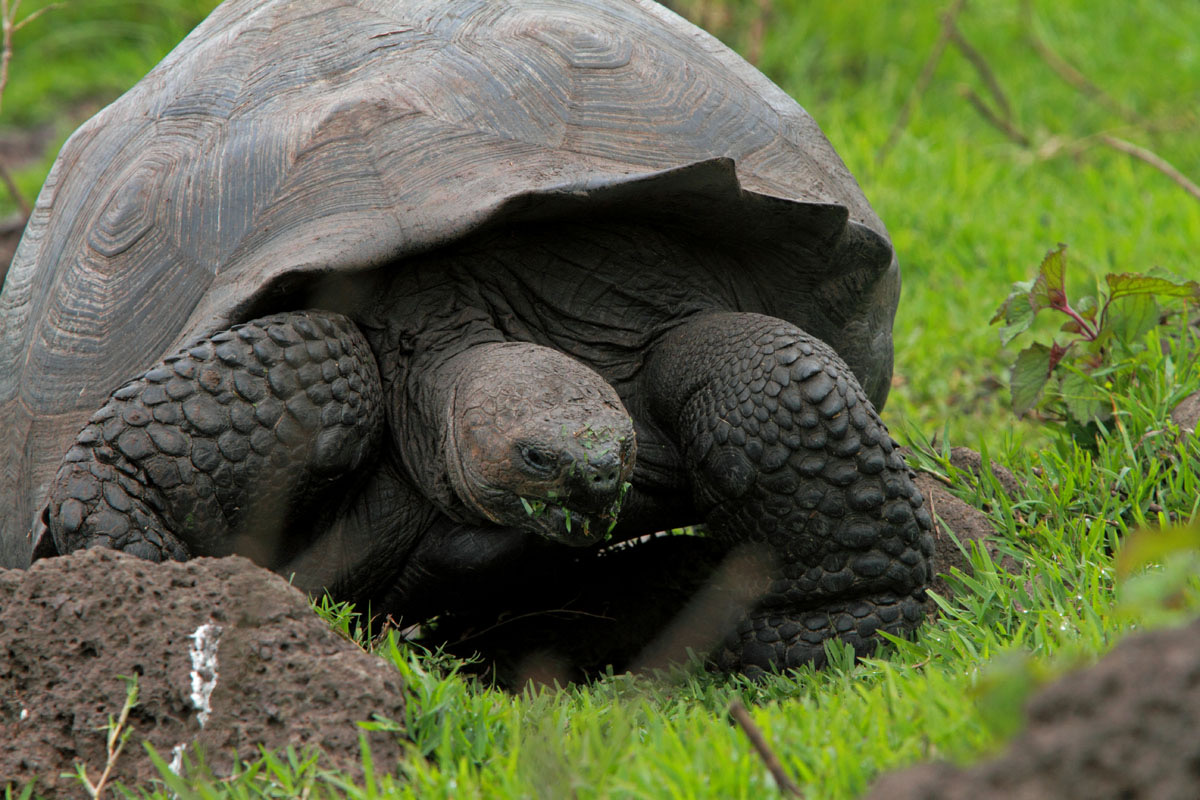
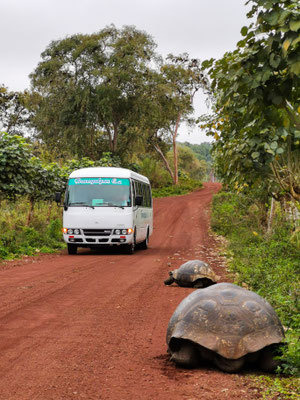


Photo 1 and 3 © Christian Ziegler/GTMEP, Photo 2 www.follow-elli.de
Everybody is helping
This also involves extensive participation by the local population through excursions and information meetings. Unfortunately, few young people in the Galápagos have the opportunity to see giant tortoises in their natural environment. That is why school projects are being set up, during which students can learn more about the life of tortoises and watch as transmitters are attached to the animals. Older students can search for turtles using satellite transmitters or determine the number of seeds in a sample of feces. All these activities give young people an insight into the important role that giant tortoises play in the Galápagos ecosystem.
By making a donation, you help us support the valuable work of the GTMEP and ensure the future of the gentle giants of the Galápagos.